GTA 6 and digital ownership: the US bill that changes nothing on 19 November
Representative Ritchie Torres announced the Power to the Players Act on 15 October — FTC rules making a bought game owned property, and offline modes that outlive the servers. There is no bill number, no cosponsor and no published text. Here is what was actually announced, why GTA 6 keeps appearing in the coverage, and what a buyer gets on 19 November regardless.
A member of Congress has announced a bill that would make a bought game your property rather than a licence that can be withdrawn. Representative Ritchie Torres, a New York Democrat, set out the Power to the Players Act on 15 October 2026, describing the current arrangement as rentals disguised as sales and summarising his position as: if you pay for it, you own it.
It has not been introduced. There is no bill number, no cosponsor list, no committee referral, no scheduled vote and no published text — which means nobody outside his office has read the thing being reported on. That is not a reason to ignore it. It is the reason to write it down accurately, because Grand Theft Auto VI ships on 19 November with no disc and is therefore the example every version of this argument reaches for.
What was actually announced
| Status | |
|---|---|
| Announcement date | 15 October 2026 |
| Sponsor | Rep. Ritchie Torres (Democrat, New York) |
| Formally introduced in Congress | No |
| Bill number | None issued |
| Cosponsors | None announced |
| Published bill text | None |
| Committee referral or scheduled vote | None |
| Mechanism | Direct the Federal Trade Commission to write rules |
| Scope | Video games only |
Everything below is context for those rows, and the first two of them govern the rest. An announcement of an intention to introduce a bill is a press event, not a legislative step.
What it would do, as described
Three things are consistently reported from the announcement:
- A purchased game would be treated as owned property rather than a revocable licence, with the FTC writing the rules that define what that means in practice.
- A game with online features would have to offer an offline mode that keeps working after its servers are shut down.
- A right to transfer what you have bought, which appears in some write-ups of the announcement and not in others.
The third is exactly the kind of detail that cannot be settled without text, so treat it as reported rather than established. The first is not self-executing either. The bill, if introduced and passed, would not itself declare you an owner; it would instruct an agency to run a rulemaking that decides what ownership obliges a publisher to do. PC Gamer's reading — that the FTC is not going to abolish copy protection, so any surviving version would land on a softer definition than the headline implies — is commentary rather than reporting, but it is the right question to ask of a delegation this broad.
The example in its own announcement is a Take-Two game
The case the announcement reached for is NBA 2K25, and it is worth following, because it belongs to GTA VI's publisher. NBA 2K25 is a 2K release — 2K and Rockstar are both Take-Two labels.
2K has announced that NBA 2K25 is delisted from digital storefronts on 30 October 2026 and that its online servers shut down on 31 December 2026, with online access ending on 1 January 2027. Owners keep the ability to redownload it and play its offline modes.
The detail that makes it the useful example is the one most summaries skip. MyCareer is a single-player mode and it stops working anyway, because its progression runs through an online currency that can no longer be earned once the servers are gone. The failure is not that multiplayer ends; it is that a mode with no second player in it depends on a server to count.
That is the precise mechanism the offline clause is aimed at, and it is why "VI is a single-player game at launch" is not by itself an answer to the question. Rockstar has published nothing about what, if anything, in VI's single-player requires a connection beyond installing it. That is an open question, not an accusation.
Why GTA 6 keeps appearing — and one line that is a headline, not an argument
GTA VI is in this story for a structural reason. The boxed copy is a download code: there is no disc on either platform, so every copy sold on 19 November is an account entitlement, whichever of the two editions you buy. The one fragment of physical ownership that survives is that an unredeemed code can still be given away.
One widely shared line should be corrected here, because this site has made the same category of mistake before and printed it. Coverage of Sony's August court filing travelled under a headline joking that true digital ownership would mean only one person could ever buy GTA 6. That joke is the headline writer's, not Sony's. The filing, as reported, does not mention Grand Theft Auto at all. It is a good line and it is not evidence of anything.
What Sony actually filed, and what California already requires
Two things sit underneath the bill, and both are real.
California already regulates the wording, not the ownership. AB 2426 was signed on 24 September 2024 and took effect on 1 January 2025, adding section 17500.6 to the state's Business and Professions Code. Where access to a digital good can be revoked, a seller may not use "buy" or "purchase" in a way a reasonable person would read as conferring unrestricted ownership, unless it either obtains an affirmative acknowledgement that the transaction is a licence or makes a clear and conspicuous disclosure before checkout. It requires honesty about the licence. It does not require ownership, and it does not oblige anyone to keep a game working.
Sony has told a federal court that nobody believes otherwise. Responding to a proposed class action alleging that the PlayStation Store checkout does not meet that disclosure standard, Sony's lawyers argued in a 21 August 2026 filing in the Northern District of California that, in the digital age, it is not plausible to claim reasonable consumers believed they were obtaining ownership of a digital game, and that its licence terms say the software is licensed and not sold. The case has not reached that question: the court is still deciding whether it belongs in arbitration at all, and Sony's terms also purport to bar class actions.
So the state of play on the day GTA VI goes on sale is a disclosure rule in one state, a contested filing arguing the disclosure was adequate, and a federal bill that does not exist yet as a document.
What this changes for a copy bought on 19 November
Nothing, and the arithmetic is not close.
| Step | Status |
|---|---|
| Bill introduced and given a number | Not done |
| Referred, marked up, passed by the House | Not done |
| Passed by the Senate, signed | Not done |
| FTC opens a rulemaking | Cannot begin before the above |
| Proposed rule, comment period, final rule | Years, on the agency's ordinary timetable |
| Compliance date for publishers | Later still |
A buyer on 19 November is buying an account entitlement under today's terms. If every step above happened, it would apply to GTA VI as a game still being sold, not as a refund for a purchase made in 2026 — and what it would oblige Rockstar to do is whatever a future rule says, which nobody can read today.
The honest reason to care is longer-range, and this site has already named it. Our digital-only piece ends on the one question neither platform holder has answered: what happens to a redeemed entitlement if a storefront closes. The bill is the first federal attempt to answer it. Being first is not the same as being law — as GTA V leaving PlayStation Plus demonstrated at a much smaller scale, access you have paid for ending is a thing that happens now, under the rules as they are.
What is not confirmed
| Claim | Status |
|---|---|
| Torres announced the Power to the Players Act on 15 October | Confirmed |
| The bill has been introduced in Congress | No. No number, no cosponsors, no referral |
| The text has been published | No. Every description is of the announcement |
| It would require offline modes surviving server shutdown | Reported from the announcement |
| It would create a right to transfer a purchased game | Reported by some outlets, absent from others |
| It has Republican support, or any cosponsor | Unknown. None announced |
| The FTC has opened any rulemaking on this | No |
| Rockstar or Take-Two have commented | No. Neither has said anything about the bill |
| GTA VI's single-player needs a connection to function | Not announced either way |
| Anything about this affects a purchase made on 19 November | No |
| Sony's filing mentions GTA 6 | No. That line comes from a headline |
Note on sources
Rockstar's site and most of the games press are unreachable from where this was written, so none of the below was read first-hand. The announcement is taken from Kotaku's and PC Gamer's reports of 15–19 October and Techdirt's follow-up, which agree on the date, the mechanism and the absence of a formal introduction. The NBA 2K25 dates are 2K's own, as carried by VGC. The AB 2426 details are from law-firm summaries of the statute rather than from the statute itself. Sony's filing is reported via Game File and quoted here as those reports render it, not from the docket; the arbitration question was still open when it was reported, and we have not checked for a later ruling. Where a claim rests on a single outlet, it is marked as such above.
Read next
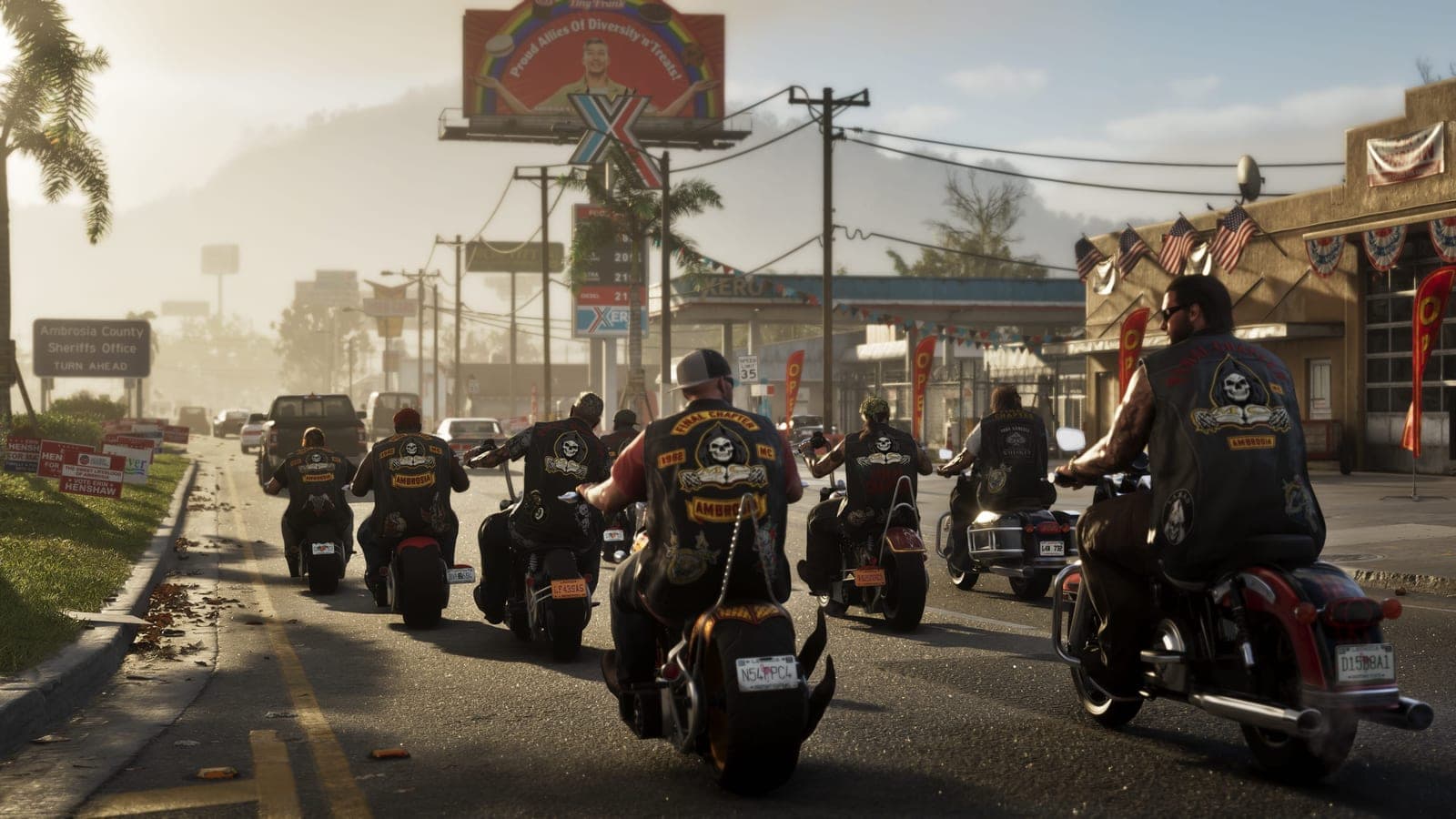
Burger Shot and Cluckin' Bell are open in Miami — and the burgers are the ones the arena already sold
Two Grand Theft Auto fast-food brands are serving real food inside the Kaseya Center, found by fans at the Heat's home opener on 21 October. The cheapest combo is $28.50 before tax. Rockstar has announced none of it, and three years ago Take-Two's lawyers shut down fans doing the same thing.
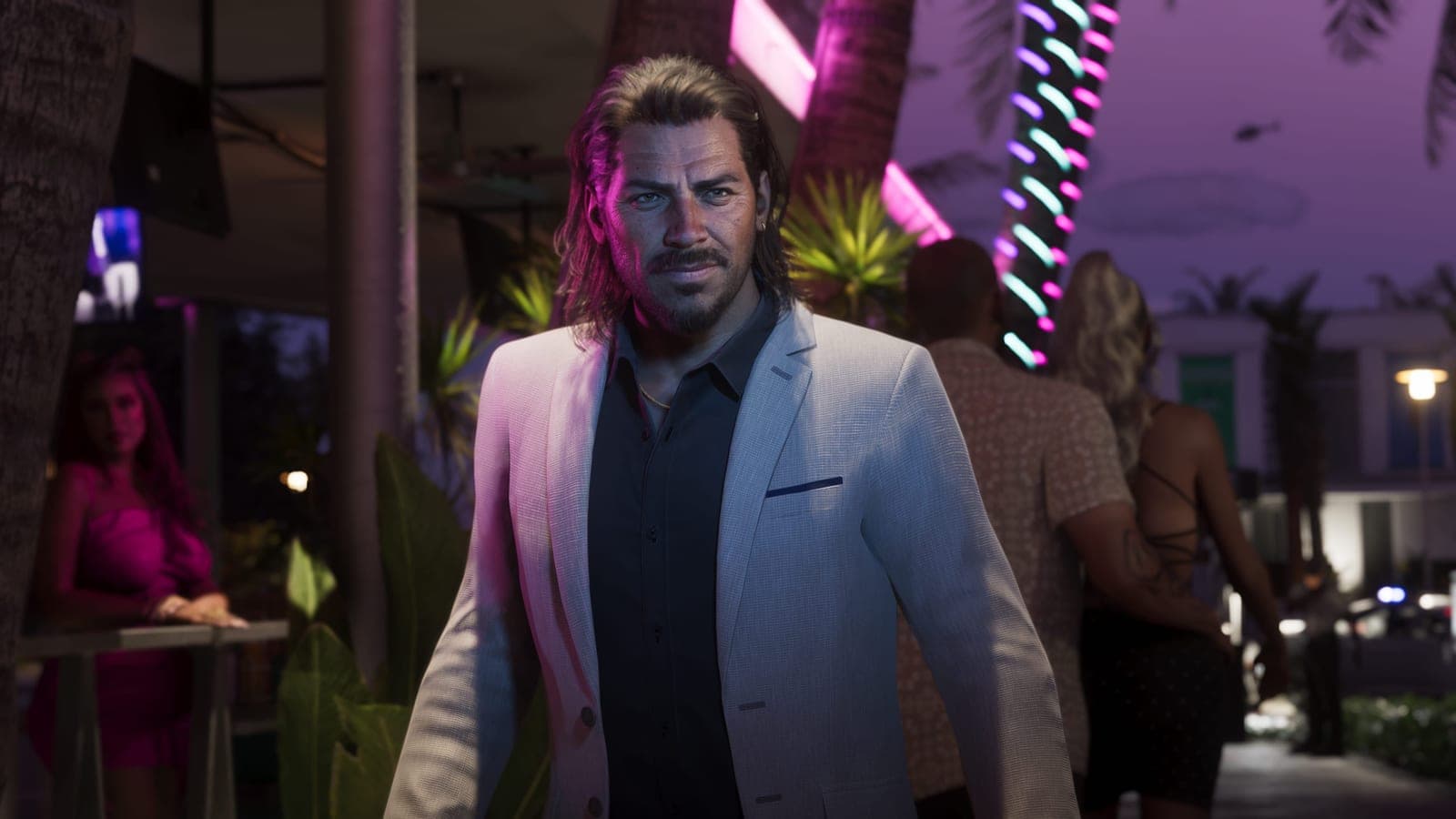
GTA 6's first TV advert is the launch trailer, recut — and the edit is not the story
Rockstar's first Grand Theft Auto VI television commercial aired on 20 October during NBC's NBA opening night. It is not new footage: it is the 15 October launch trailer recut for broadcast, with a kiss and an ankle monitor removed and three shots held longer. The interesting part is not what was cut but that Take-Two is buying network television at all.
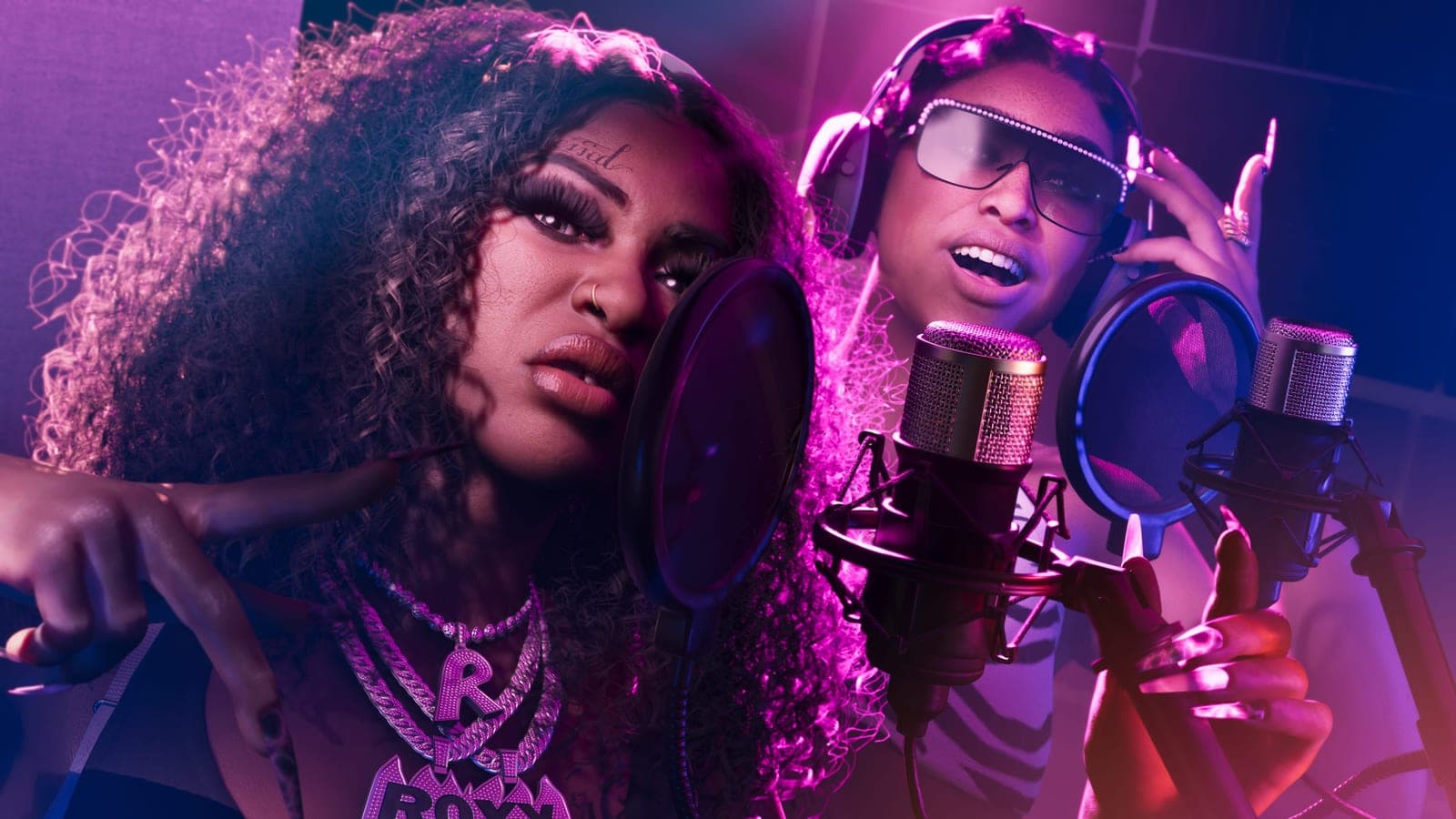
Justice have described the GTA 6 score for the first time — and Rockstar still has not
Gaspard Augé and Xavier de Rosnay talked to BBC Radio 1 about scoring Grand Theft Auto VI: a futuristic sound rather than an eighties pastiche, a guitar part that is a synth, and the hype watched from the outside. What the first account from the people who wrote the music actually establishes, and what is still Rockstar's to explain.