Australia classified GTA 6 first: R18+ on 27 August, with sex scenes written into the advice
The Australian Classification Board put Grand Theft Auto VI on the national register five weeks before the ESRB label appeared — R18+, consumer advice "High impact violence, sex scenes and drug use". It is the only rating the game carries that is law rather than labelling, and it corrects two of our own articles.
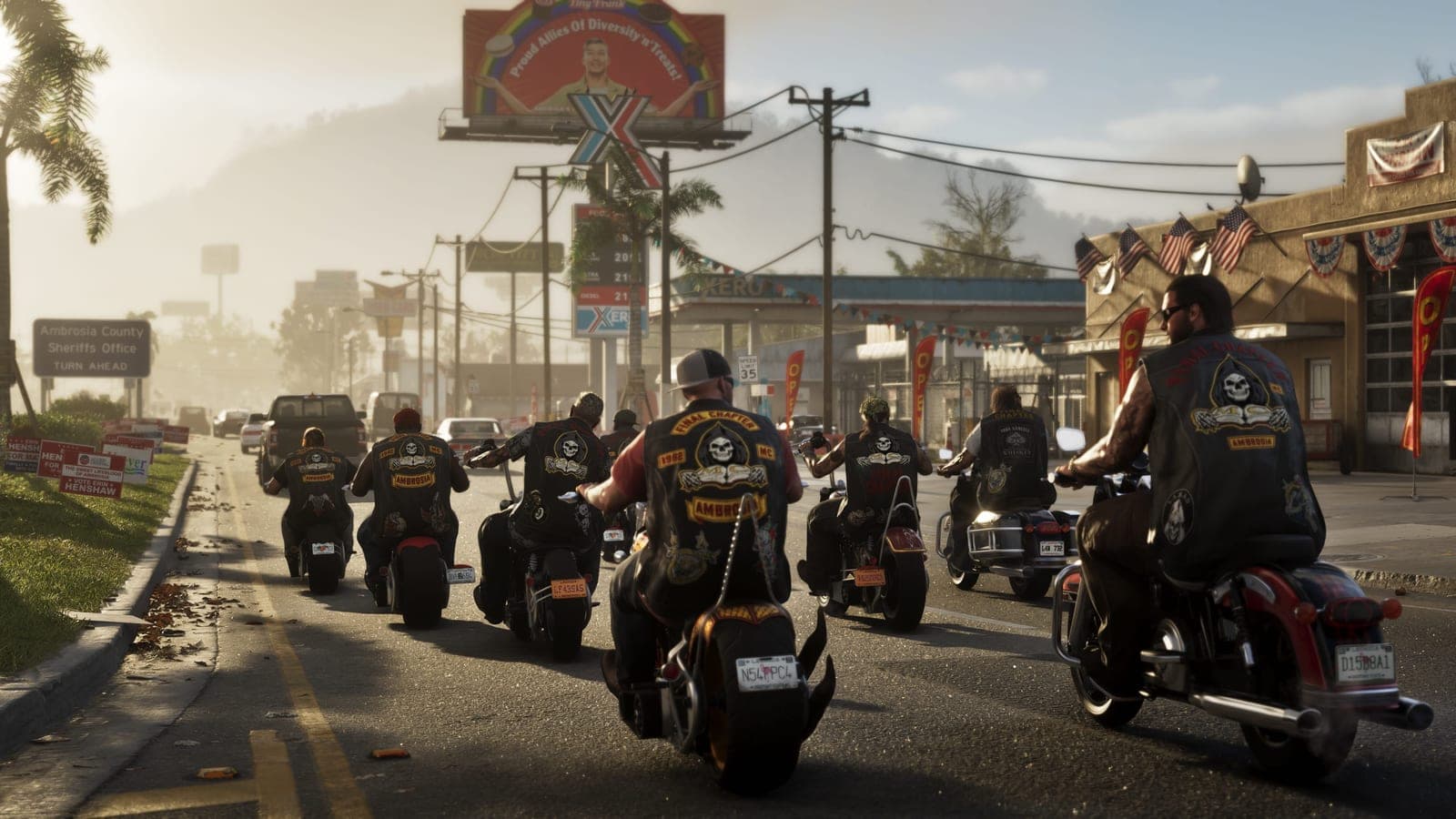
The first ratings board to classify Grand Theft Auto VI was not the ESRB. It was Australia's, and it did it on 27 August — the day Rockstar put the Extended Look on Netflix. The decision went onto the national classification register, where it has sat ever since: R 18+, with the consumer advice "High impact violence, sex scenes and drug use".
Nobody reported it at the time. We did not find it either. On 12 September and again on 2 October we wrote that the Board had published nothing, and both of those pages said so in a table. They were wrong, and both have been corrected today.
What the register entry says
| Field | Entry |
|---|---|
| Title | Grand Theft Auto VI |
| Classification | R 18+ (Restricted) |
| Consumer advice | High impact violence, sex scenes and drug use |
| Date of decision | 27 August 2026 |
| Applicant | Take-Two Interactive |
| Medium | Computer game |
Those six fields are what this article rests on. They come from the Board's own register and from GamesRadar, which carried the same decision alongside its reporting on PEGI on 2 October. The register pages themselves could not be opened from here — the sourcing note at the end lists what this writer's network refuses — so they are relayed rather than read, and nothing beyond those fields is treated as established below.
This is the only rating GTA 6 has that is actually law
The ESRB and PEGI are industry bodies. They label, and retailers and platforms choose to honour the labels; in the United Kingdom PEGI 18 is enforced in law at the point of sale, which is as far as that goes.
The Australian Classification Board is not an industry body. It is a statutory one, operating under the Classification (Publications, Films and Computer Games) Act 1995, and in Australia a classification is a licence to exist on the shelf. A game that is unclassified, or Refused Classification, cannot lawfully be sold, hired, advertised or imported. So the Mature 17+ that arrived on 1 October tells an American retailer who it should sell to. The R18+ that arrived on 27 August is the reason Australians will be able to buy the game at all.
That makes the five weeks of silence the odd part. The one classification with legal force was the first one issued, and it was the last one anyone noticed.
"Sex scenes" is now a decision, not a store page
On 2 October we compared the PlayStation Store's Australian listing, which names Sex Scenes as a content element, with GTA V's Australian classification advice, which says sex. We were careful about it: a store listing is not a Board entry, we wrote, and the Board had published nothing, so the comparison was between two shop windows rather than two decisions.
The Board had published, and the words on the store page are the Board's own. The consumer advice reads "High impact violence, sex scenes and drug use". The comparison we hedged is a comparison between two formal decisions after all, and it points the same way: the classifier who wrote VI's advice chose a more specific phrase than the classifier who wrote V's.
One claim travelling alongside it is not supported. Fan accounts have written up the decision as VI pushing violence into the highest impact band for the first time in the series. Which of GTA V's entries you compare against changes that answer — the register carries more than one for V, covering the 2013 release and later editions, and the later advice lines put violence at high impact too. We could not open any of them, so the escalation claim stays where it is: unverified, and not something to repeat.
What the advice does establish is an order of precedence. Violence is named first, ahead of sex and drugs. Our weapons database is where what has actually been shown is tracked, and nothing in it has been described by Rockstar in the terms PEGI used last week.
The rule that could have refused it
Australia's guidelines for games contain one line that has nothing to do with how much blood is on screen. Illicit drug use related to incentives or rewards is not permitted at R18+ at all: it is Refused Classification, the outright ban.
That is not theoretical, and it is why some Australian players were nervous about VI. In August — a fortnight before this decision — Halloween: The Game was refused classification in Australia, as PC Gamer reported, because smoking cannabis gave the player a gameplay advantage. The violence was not the problem. The buff was.
Then PEGI's description landed, and the most concrete piece of gameplay information in it was a drug mechanic: cocaine carried by the player and snorted from the hand, at any time. That is interactive drug use, in a game Australia had already looked at.
The Board classified it R18+ anyway. On the Board's reading of the build submitted to it, whatever VI does with drugs is not a reward. That is the practical news for anyone in Australia: no refusal, no modified local version signalled, and a decision taken before any of the content descriptions that have alarmed people were public.
The series has been on the other side of this
Australia had no R18+ category for games until 1 January 2013. Before that date a game either fitted MA15+ or it was refused, and Grand Theft Auto spent a decade on the wrong end of the arrangement.
- July 2005. San Andreas had its MA15+ classification revoked after the "Hot Coffee" material was found in the shipped product, which made it unsellable in Australia until an edited version was re-classified. The American half of that story — the ESRB's Adults Only reassignment — is in our age rating explainer; the Australian half ran in parallel.
- 2008. GTA IV was released in Australia in a modified version built to fit MA15+, with the blood and some of the sexual content altered. The uncut version followed later.
- July 2013. GTA V was classified R18+ under the new category, and shipped in Australia as it shipped elsewhere.
VI is the second Grand Theft Auto classified R18+, and the second with no modification reported. The caveat belongs here rather than in a headline: a classification is a decision about the version submitted, and the register does not publish a diff. Nothing in it says whether what the Board played is identical to what ships on 19 November, in Australia or anywhere else.
X 18+ cannot happen to a game
A screenshot of an Australian PlayStation advertisement carrying X 18+ Restricted circulated in late September, and was written up on fan accounts and aggregators as proof that VI is more explicit than anything the series has shipped.
It cannot be a classification. Australia's categories for computer games are G, PG, M, MA 15+ and R 18+, with Refused Classification above them. X 18+ exists only for films — the category for non-violent sexually explicit material — and no computer game has ever carried it, because the Act does not allow one to. Whatever produced that image, a mislabelled advert among the likeliest answers, it is not a decision of the Board, and no reputable outlet reported it as one.
The register is also noisier than people expect. Searching it for this game returns a crowd of near-identical titles, including self-classifications made through the IARC tool rather than by the Board. We could not read them, and nothing above rests on them, but they are a good reason to treat a screenshot of a database entry as a claim rather than a source.
What it changes for the age-assurance codes
Our age rating explainer set out the Age-Restricted Material Codes that took effect on 9 March 2026: an online game classified R18+ must verify that its players are adults, with penalties running to AU$49.5 million per breach.
That rule has two conditions. One of them is no longer an expectation — the R18+ is published and dated. The other is untouched: the codes bite on online games, and the product shipping on 19 November is, in Take-Two's words, a single-player one. Rockstar has still said nothing about how it intends to meet the codes for either VI or GTA Online, which has been running in Australia under an R18+ classification for thirteen years.
What is not confirmed
- The itemised impact ratings. A breakdown of the Board's impact levels for themes, violence, language, nudity, sex and drug use is circulating on fan accounts. It is plausible — the register publishes one — but we could not read the entry, and it is not carried here.
- Which platforms and editions the decision covers. The entry is for the game; nothing published says whether separate decisions exist per platform, or for the Ultimate Edition's extras.
- Whether the Australian build matches the rest of the world's. Not stated, not implied by an R18+, and not something the register addresses.
- Anything from Rockstar or Take-Two. Neither has mentioned the Australian classification. No Newswire post marked it, and the applicant line is the only place the publisher appears in this story.
- USK, CERO and the ESRB's rating summary. Germany and Japan have still published nothing, and the paragraph of prose that normally accompanies an ESRB rating has still not been posted.
- The other register entries using this name. Lookalike and self-classified titles, unread, and not evidence of anything about VI.
Three boards have now ruled, and the one that ruled first is the one that can stop a game being sold. It did not. Between here and 19 November the ratings story is down to the two boards that have said nothing and the ESRB summary that has not appeared — and, in Australia, to a question the classification does not answer: whether anyone will be asked for ID at first launch.
Sourcing note: classification.gov.au, legislation.gov.au, infrastructure.gov.au, rockstargames.com, gamesradar.com, pcgamer.com, kotaku.com and gamespot.com are all refused by this writer's network, so none of the above could be read first-hand. The register entry's fields come from the Board's database as it is indexed, cross-checked against GamesRadar's reporting of 2 October, which gives the same date and the same consumer advice. The drug-use rule and the Halloween: The Game refusal come from PC Gamer's August reporting and from the Guidelines for the Classification of Computer Games 2023; the 2005 revocation from the contemporaneous reporting of the OFLC's decision of 29 July 2005; the 2008 modifications to GTA IV from the coverage of that release, including Rockstar's own comments to GameSpot at the time. The itemised impact table, the X 18+ advertisement and the escalation claim all appear only on fan accounts and aggregators, and are labelled above rather than reported away.
Read next
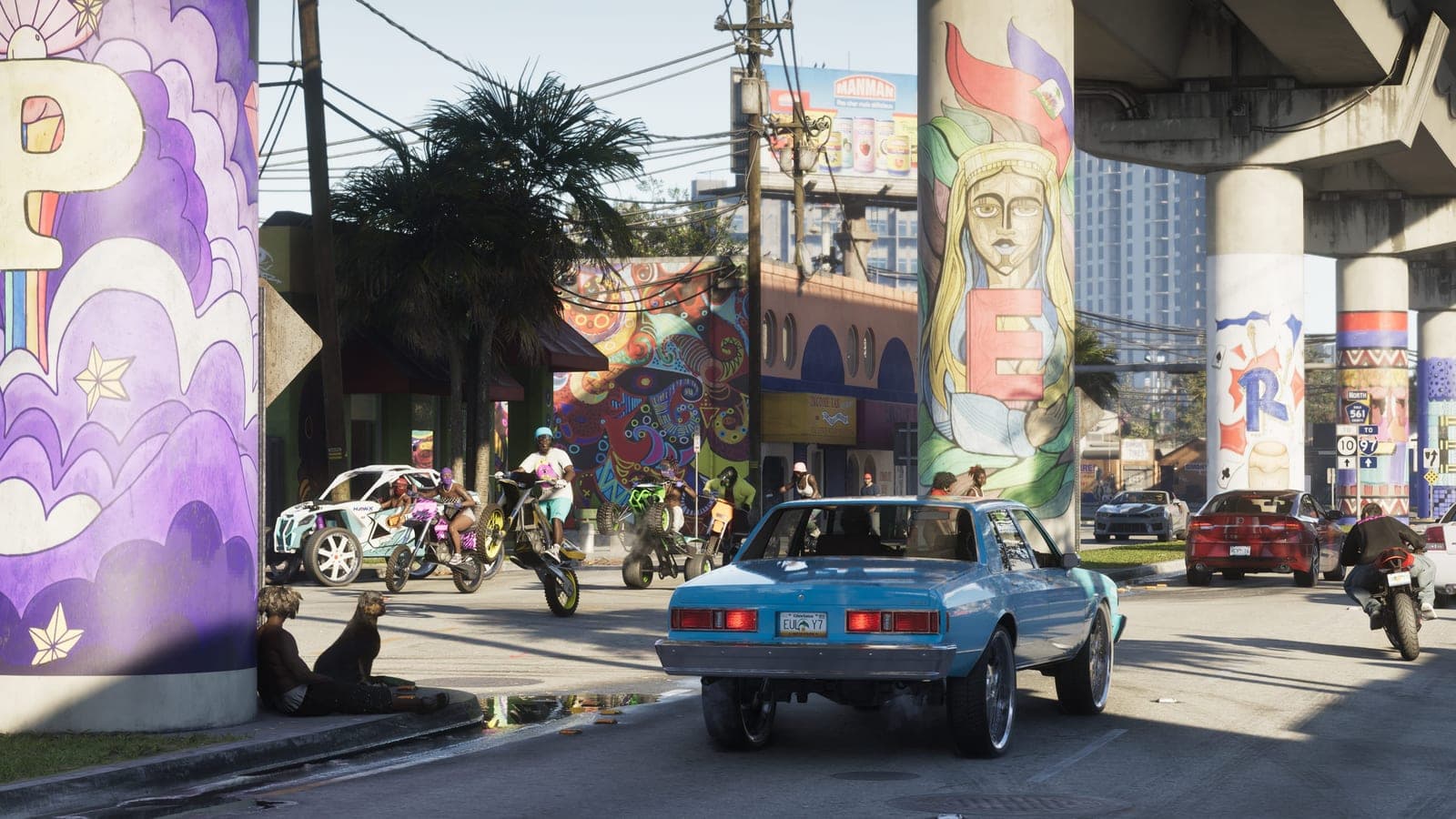
GTA 6 has a writing director for the open world, and a team in LA that writes nothing but pedestrians
LOVE issue 27 went on sale on 5 October and named James Horton, Rockstar's open-world writing director. What he says about ambient dialogue, what the satire is pointed at — robocalls, talk radio, the culture wars — and why none of it is a mechanic yet.
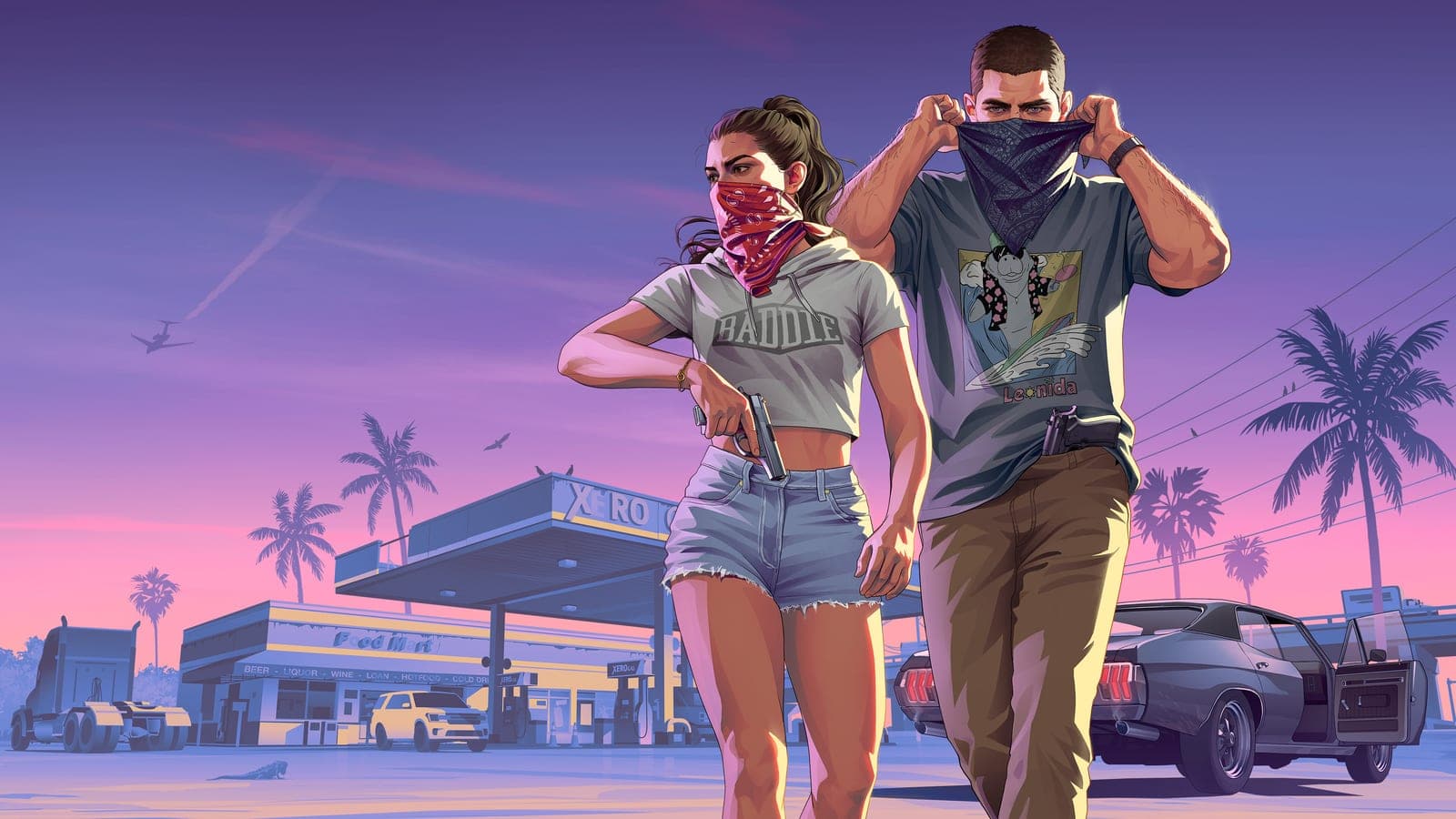
A GTA 6 mural is going up in Brooklyn — and unlike 2013, there is nothing in it to decode
Painters have been photographed putting Jason and Lucia on a wall at Wythe Avenue and North 11th Street in Williamsburg. Rockstar has said nothing about it. The comparison everyone is reaching for is the 2013 box-art mural, and that comparison is exactly backwards.
GTA 6 on the cover of LOVE: four new images, four Rockstar writers, and the clearest line yet on the satire
The fashion magazine LOVE put Jason and Lucia on the cover of issue 27 and previewed it on 2 October. Four unseen images, Rockstar's narrative team on the record, and a statement about how hard Grand Theft Auto VI pushes its parody of the present. Here is what has actually been published, and what is still behind the 5 October issue.